

Japanese parents warn children to cover their belly buttons during a storm, or the thunder god will steal them. I have hand-picked 57 Japanese names meaning thunder, cloud, storm, lightning, rain, wind, mist and snow, as well as their meanings.
Japanese Names Meaning Thunder:
Raita
“Great thunder” in Japanese and a yogurt side dish in India.
Ikazuchi
It is pronounced ee-kah-ZOO-chee. Eight thunder deities in the Kojiki are known as Ikazuchi. Each one represents a different type of storm.
Rai
Thunder, trust, “next” or flower bud, depending on the kanji.
Raijin
“Thunder god.”
Todoroki
Pronounced toh-doh-ROH-kee. Roar. Tokyo has only one valley that is inside its city wards which is Todoroki Valley.
Narukami
Narukami comes from naru, to sound, and kami, god.
Raiga
“Thunder/fang.”
READ THIS NEXT: Na’vi Generator
Raito
”Thunder” or “trusted person.”
Cloud:
Kirara
“Sparkle”.
Shiun
It is made of shi, purple, and un, cloud.
Yakumo
Yakumo (“eight clouds”) was the Japanese moniker Lafcadio Hearn chose for himself.
Seiun
“Star/cloud.”
Kumo
Cloud. With other kanji, spider.
Kumoi
“Above the clouds,” or the imperial court in old poems.
Izumo
It combines izu, to emerge, and kumo, cloud.
Hibari
Hibari is a favorite of mine. It is meaning “skylark” and is written with the kanji for cloud and sparrow.
Murakumo
“Gathering clouds,” and an early name of Kusanagi, a legendary sword.
Editor’s Pick: DnD Dwarf Generator
Storm:
Arashi
“Storm” in Japanese.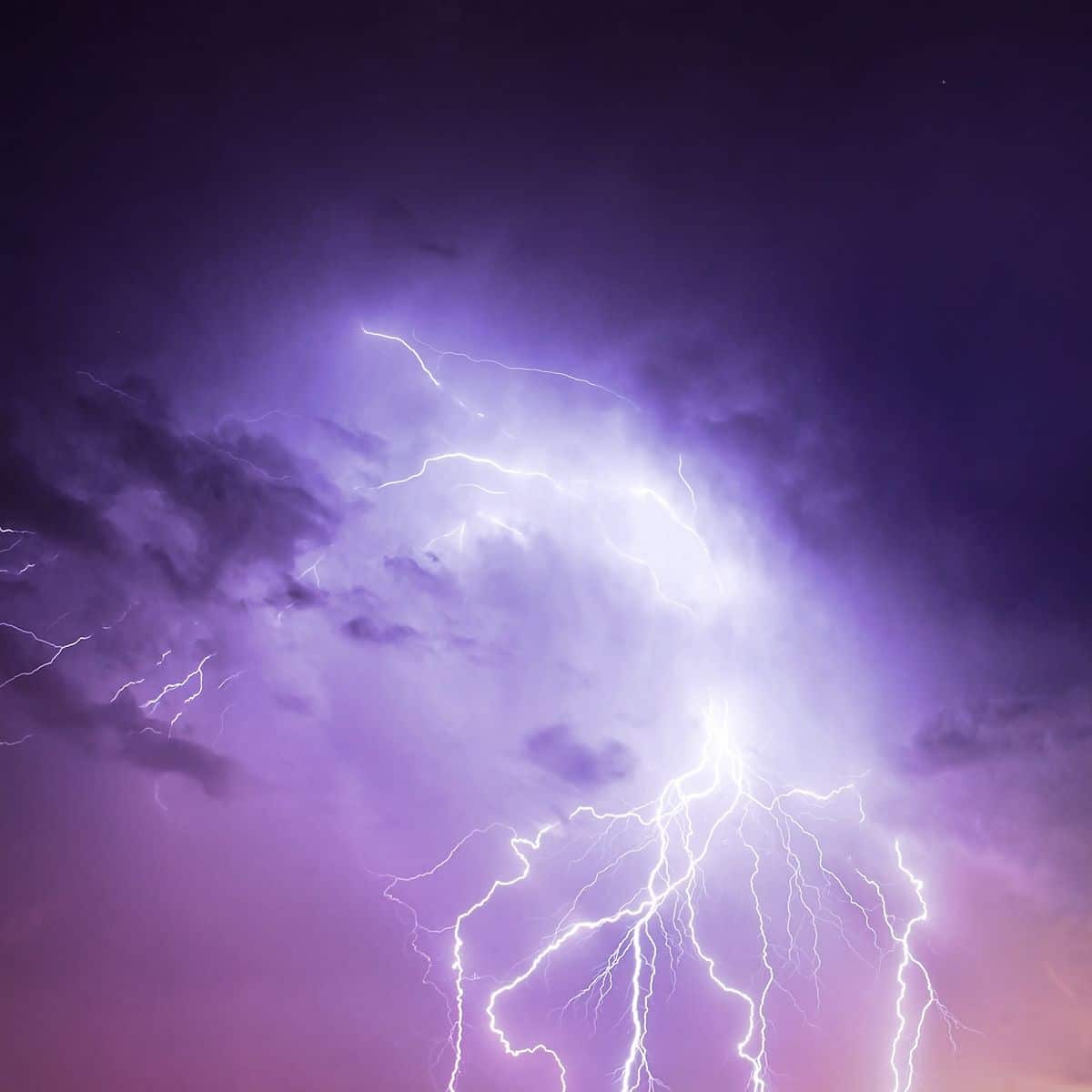
Nowaki
“Autumn storm,” and a chapter title in The Tale of Genji, which is a classic work by lady-in-waiting Murasaki Shikibu.
Hayate
“Gale/sudden wind.”
Murasame
“Village rain,” or a sudden heavy shower.
Fubuki
Fubuki (“snowstorm”) Koshiji sang French chansons in Japanese.
Lightning:
Inazuma
”Lightning” or “rice spouse”.
Raiki
Thunder and radiance, coming hope, trusted hope or “coming light,” by kanji choice.
Raiden
Raiden (“thunder and lightning”) Tameemon lost ten sumo bouts in his career.
Inabikari
“Lightning flash”.
Shiden
“Purple lightning,” as well as a navy fighter plane (Kawanishi N1K Shiden-Kai) in World War Two.
Raiko
Flash of lightning. Different kanji spell demon slayer Minamoto no Raiko.
Rain:
Shigure
“Late autumn shower.” Poet Basho’s death day is named after it. Hundreds of editions have since been published in several languages.
Kosame
Kosame is symbolizing ”light rain.”
Miu
Beautiful rain or “beautiful feather.”
Uryu
It combines u, rain, and ryu, dragon.
Ame
“Rain.” Spoken with a different pitch, it means candy.
Amaya
“Night rain.”
Amane
Sound of rain, heavenly sound, sound of the sea or “everywhere,” depending on the kanji.
Tsuyu
Plum rain, the June rainy season.
Samidare
“Fifth month rain”, the long showers of early summer. These rains coincide with Children’s Day.
Kirisame
From kiri, fog, and same, rain.
Wind:
Kaze
“Wind”. With other kanji, a cold.
Futa
Big wind.
Fuma
Fuma (“wind demon”) Kotaro was part of a ninja band for the Hojo clan.
Kazane
A name that I love: “sound of the wind.”
Kochi
“East wind.” Kochi is also the opening word of Sugawara no Michizane’s plum blossom poem.
Sota
“Swift breeze” or war in Finnish.
Fuga
Elegance, from fu, wind, and ga, grace.
Fuka
“Wind flower,” or snow drifting down from a clear sky.
Nagi
“Calm,” the moment the wind drops at sea.
Kogarashi
Tree-withering wind, the first cold blast of winter.
Mist And Fog:
Kasumi
“Mist,” or spring haze in poetry.
Kiri
Fog. With other kanji, paulownia, the tree on Japan’s government seal. More than 140 designs exist of the paulownia crests.
Asagiri
“Morning fog.”
Sagiri
From sa, a prefix, and kiri, fog.
Yugiri
Evening mist.
Snow:
Yuki
“Snow,” or happiness with other kanji.
Koyuki
Koyuki (“little snow”) Kato played Taka in The Last Samurai.
Mizore
Sleet.
Sasameyuki
“Light snow.” Sasameyuki is also the title of Tanizaki’s novel The Makioka Sisters. It is about four women who try to preserve a way of life.
Related articles

Creative & Funny Names For Farewell Party

Chinese Names That Mean Dragon, Moon, Flower & Fire

Rare & Common Chinese Last Names With Meanings

Korean Names That Mean Moon, Star, Flower, & Dragon

144 Most Common Korean Last Names & Meanings
